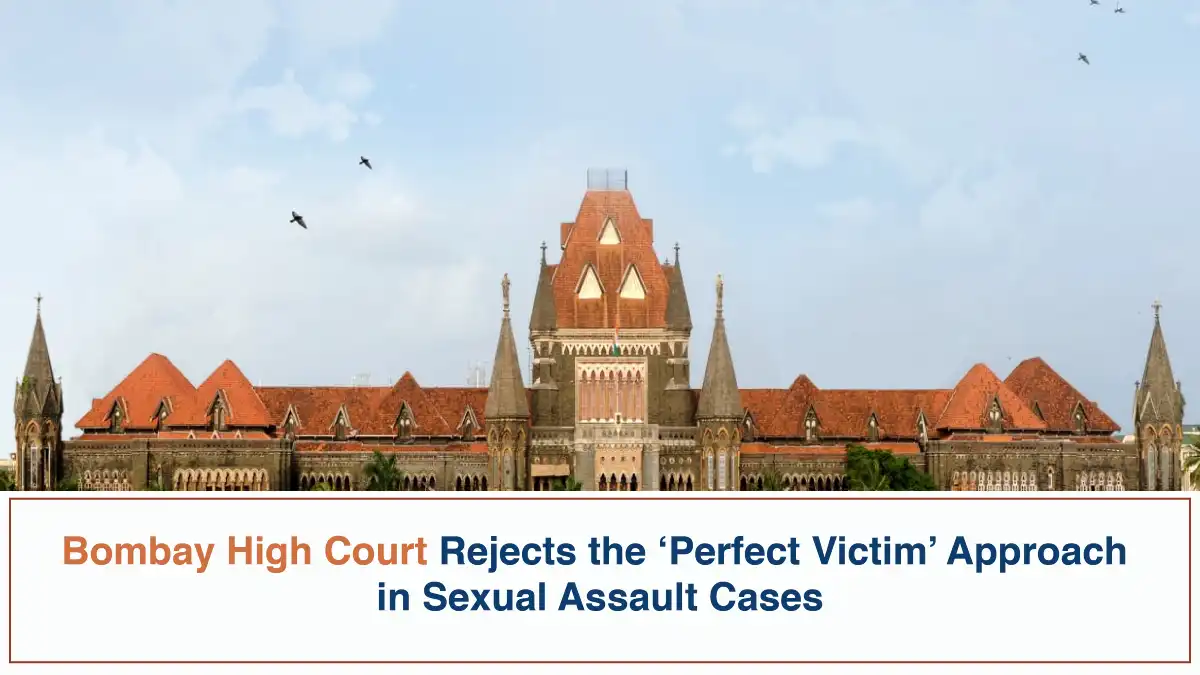
Case: GlaxoSmithKline Pharmaceuticals Ltd. v. Suhas Shankar Pagare & Anr. (Bombay High Court, 2026)
Factual Background
The respondent workman had been employed with the petitioner company since 1990 and had a history of disciplinary issues. In 2011, a female employee alleged that the respondent had sexually harassed her and physically assaulted her when she approached him regarding a workplace issue.
Upon receipt of the complaint, the employer initiated disciplinary proceedings under the applicable Model Standing Orders. A domestic enquiry was conducted, during which the respondent was provided with a charge sheet, allowed representation, and given the opportunity to lead evidence and cross-examine witnesses. The Enquiry Officer ultimately found the respondent guilty of misconduct, leading to termination of his employment.
The respondent challenged the termination before the Industrial Tribunal. The Tribunal held that the enquiry was vitiated for non-compliance with the Vishaka guidelines, particularly due to the absence of a properly constituted Complaints Committee, and declared the enquiry illegal and perverse. Aggrieved by this finding, the employer approached the Bombay High Court.
Court’s Analysis
The High Court undertook a detailed examination of the legal framework governing workplace sexual harassment prior to the enactment of the POSH Act, 2013. It analysed the binding nature of the Vishaka guidelines and clarified that they operated as law in the absence of specific legislation. However, the Court emphasised that the purpose of the Vishaka guidelines was to ensure protection and procedural fairness, rather than to impose a rigid procedural format.
The Court recognised that certified Standing Orders possess statutory force and constitute a form of delegated legislation. As such, disciplinary proceedings conducted under Standing Orders cannot be disregarded merely because they do not replicate the exact structure contemplated under Vishaka.
A significant aspect of the Court’s reasoning was the distinction between procedural form and substantive fairness. It held that the validity of a domestic enquiry must be assessed on whether the principles of natural justice were complied with, including whether the delinquent employee was informed of the charges, given access to relevant material, and afforded a fair opportunity to defend himself.
The Court criticised the Tribunal for adopting a mechanical approach by invalidating the enquiry solely on the ground that a Vishaka-style Complaints Committee was not constituted, without examining whether any actual prejudice was caused. It further held that pre-POSH cases must be evaluated in the context of the legal regime prevailing at the relevant time, rather than applying the standards introduced by the 2013 Act retrospectively.
Order of the Court
The Bombay High Court allowed the writ petition and set aside the findings of the Industrial Tribunal insofar as they declared the enquiry illegal and perverse. The matter was remanded to the Tribunal for fresh consideration, with directions to examine the validity of the enquiry in light of principles of natural justice and the evidence on record.
Key Takeaway
This judgment underscores that in the pre-POSH Act regime, the absence of a formal Complaints Committee as envisaged under Vishaka does not automatically vitiate a disciplinary enquiry. The determinative test is whether the enquiry satisfies the principles of natural justice and ensures substantive fairness. The decision also reinforces the statutory character of Standing Orders as a valid framework for regulating workplace misconduct.
Written by Adv. K. Sri Hamsa