Case:
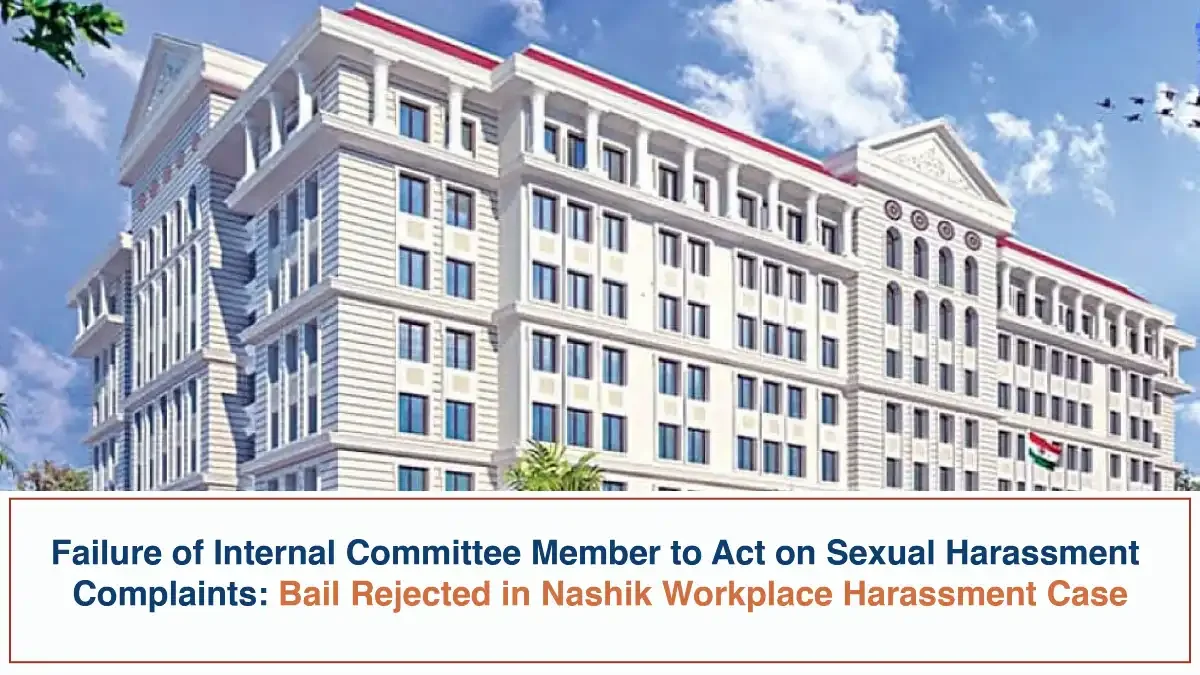
Nashik Case (Bail Application No. 707 of 2026) – Additional Sessions Court, Nashik.
Factual Background
The complainant was employed as an Associate at a Nashik-based office for approximately three years. She alleged that during her employment she was subjected to continuous sexual harassment by her team leader and certain male colleagues. According to the FIR, the harassment began with unwanted personal interactions, attempts to develop intimacy, intrusive questions regarding her personal life, and conduct that made her uncomfortable in the workplace. The complainant alleged that one of the accused frequently approached her when she was alone, stared at her inappropriately, asked personal questions regarding her marriage, and made remarks that she perceived as sexually coloured and humiliating.
The complainant further alleged that despite repeatedly expressing discomfort and orally reporting the incidents to supervisory personnel, no effective action was taken. She claimed that rumours about her personal life were spread in the office and that she was subjected to continued embarrassment and a hostile work environment. The applicant, who held a senior position and was a member of the Internal Committee constituted under the POSH framework, was specifically informed about the alleged acts of harassment. However, according to the complainant, the applicant failed to initiate any remedial action and instead advised her to ignore the incidents. The complainant alleged that this inaction enabled the accused persons to continue their conduct. Ultimately, feeling unsupported and distressed by the workplace environment, she resigned from her employment and lodged a criminal complaint, leading to the registration of the FIR.
Court’s Analysis
The Court observed that the allegations against the applicant were based not on direct participation in the acts of sexual harassment but on her alleged failure to act despite knowledge of the complaints. The Court noted that the applicant was a member of the Internal Committee and therefore occupied a position carrying specific responsibilities under the POSH Act, 2013. The Court referred to the statutory requirement that members of the Internal Committee assist women in making complaints and ensure that allegations of workplace sexual harassment are addressed appropriately.
The Court found that the complainant had specifically alleged that she approached the applicant with her grievances, yet no meaningful steps were taken to prevent further harassment. Instead, the applicant was alleged to have discouraged the complainant from pursuing the matter. The Court considered this conduct significant, particularly given the applicant’s role within the organisation. It further observed that victims of workplace harassment often face fear of retaliation, social stigma, and adverse career consequences, which may explain delays in lodging formal complaints.
Distinguishing the precedent relied upon by the applicant, the Court held that the present allegations suggested more than mere inaction and disclosed prima facie material indicating possible abetment. Considering that the investigation was still ongoing and that there was a possibility of influencing witnesses, the Court found no grounds to grant bail.
Order of the Court
The Court rejected the applicant’s bail application and held that the circumstances of the case did not justify release on bail at the investigation stage.
Key Takeaway
The case underscores that members of an Internal Committee under the POSH Act have a duty to respond effectively to complaints of workplace sexual harassment. Failure to take appropriate action, particularly where allegations suggest that complaints were ignored or discouraged, may attract legal consequences and can be treated seriously by courts even at the bail stage.
Written by Adv. K. Sri Hamsa